
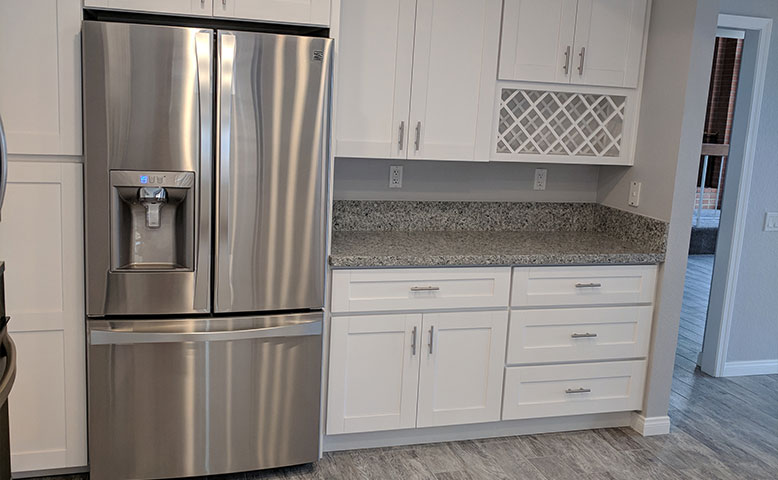
A kitchen remodel carries big hopes, steady effort, and daily habits all under one roof—every inch matters. Every choice shapes how the space feels at 7 a.m. on a weekday and at 7 p.m. on a weekend. The good news is that most missteps are easy to steer around with a bit of planning. Below are the mistakes that cause stress, plus clear ways to avoid them. The tone here stays simple, the guidance stays practical, and the goal stays the same: a kitchen that works smoothly, looks warm, and supports real life.
1) Inadequate Circulation Space
Tight walkways lead to bumps, spills, and short tempers. Aisles that are too narrow make even a quick task feel slow. Therefore, aim for steady, safe movement throughout the kitchen.
What to do instead: keep main aisles around 42 inches in a one-cook kitchen and about 48 inches where two people move at once. Moreover, allow space for doors and drawers to open without clipping shins or blocking traffic. Clear paths build calm routines.
- Leave room behind the stools so people can pass
- Keep the path from fridge to sink to stove free of obstacles
2) Not Planning Around the Workflow
Pretty finishes cannot fix a clumsy workflow. When key tasks sit far apart, every meal takes extra steps. As a result, frustration grows.
What to do instead: group zones by task. Place prep space near the sink. Keep cooking tools near the range—store plates near the dishwasher. Furthermore, think about who cooks, who preps salads, and who unloads groceries. When zones support habits, the whole room feels easy.
3) Not Measuring Appliances
Guessing on appliance sizes sets off a chain of problems. Doors hit walls. Drawers collide with handles. Delivery day becomes a scramble.
What to do instead: lock down model numbers early, then measure width, height, depth, and door clearance. Also measure ventilation needs for the range and fridge. Next, plan cabinet runs and panels around those exact dimensions. Even a half inch matters, so measure twice and mark it on the plan.
4) Poor Lighting Placement
A single ceiling light makes counters dark and tasks tiring. Shadows hide spills and dull colors.
What to do instead: layer the light. Use recessed or track lighting for general light. Add under-cabinet lights for a bright, even task light. Include a simple pendant or two for the island. Moreover, place switches where your hand naturally reaches when entering the room. Good light lifts the mood and helps every task feel simple.
- General lighting: for the room
- Task lighting: for counters and the sink
- Accent lighting: for shelves or a soft evening glow
5) Forgetting About Function
A kitchen looks best when it works best. Style matters, yet daily function matters more. Slippery floors, hard-to-reach shelves, and tiny trash bins create friction.
What to do instead: choose materials that clean easily and hold up to heat, moisture, and spills. Consider soft-close doors, deep drawers for pots, and pull-outs for oils and spices. Furthermore, plan a clear landing area beside the stove and fridge for setting down hot pans or grocery bags. Function first keeps the space friendly.
6) Wasted Space on a Kitchen Island
Oversized islands become traffic blocks. Undersized islands do not earn their footprint. A plain box without storage wastes valuable square footage.
What to do instead: right-size the island for your room. Allow proper aisle widths on all sides. Add drawers for tools, trays for baking sheets, and shelves for cookbooks. If seating is part of your plan, set enough overhang for knees and leave room to pull out stools. In short, design the island to serve prep, dining, and storage without cramping the flow.
7) Inadequate Space Between the Sink and the Stove
A narrow stretch between sink and stove squeezes the main prep area. Cutting, rinsing, and cooking compete for inches.
What to do instead: aim for a generous landing zone. Keep a continuous counter run between sink and range whenever possible. As well, store cutting boards and knives in this zone so prep stays centered. With steady space in the middle, meals come together with less mess.
8) Not Maximizing Vertical Wall Space
Walls often sit underused while drawers overflow. Empty vertical space means cluttered counters.
What to do instead: take cabinets up, add a rail for utensils, and use tall pantry pull-outs where possible. Consider shallow shelves for mugs or spices near the coffee area. Moreover, mount a magnetic strip for knives, freeing a drawer and keeping edges sharp. Purposeful vertical storage clears the worktops and keeps tools within easy reach.
9) Too Few Electrical Outlets and Circuits
Modern kitchens rely on small appliances, yet many remodels skip enough outlets. As a result, cords stretch, breakers trip, and cleanup slows.
What to do instead: plan outlets along the backsplash, at the island, and inside a few cabinets for hidden charging. Add dedicated circuits for the microwave, dishwasher, and range as needed. Furthermore, include a couple of USB or USB-C ports in a convenient spot. Safe power keeps mornings smooth and evenings simple.
10) No Plan for Trash, Recycling, and Compost
Bags on the floor and bins in the corner drain the mood of a fresh kitchen. Without a set spot, scraps pile up and smells linger.
What to do instead: build a pull-out cabinet for trash and recycling near the sink and dishwasher. Add a small caddy or lidded bin for compost if you use it. Place paper towels and cleaning sprays nearby. With waste handled cleanly, the whole room stays tidy.
Pulling It All Together
Small choices stack up. Clear aisles reduce stress. Smart zones shorten steps. Accurate measurements stop surprises. Layered lighting brightens every corner. A strong function keeps the room ready for daily life. A right-sized island earns its place. A practical stretch between the sink and the stove supports the main task flow. Tall storage lifts clutter off the counter—enough outlets power busy mornings. Clean waste stations preserve a fresh feel.
A simple planning checklist
- Confirm appliance model numbers and clearances
- Map task zones: prep, cook, clean, store, coffee, baking
- Set aisle widths and island size before picking finishes
- Place general, task, and accent lighting with clear switches
- Add outlets where you actually plug things in
- Design hidden storage for trash and recycling
- Use vertical space to keep counters open
Materials and Finishes That Support Daily Life
While choices vary by taste, durable and easy-care surfaces make a real difference. Quartz counters handle busy prep. Stain-resistant backsplashes wipe clean. Sturdy hardware stands up to constant use. Moreover, matte finishes can soften glare from bright lights, while satin paints wash well without looking harsh. Pick what suits your style, yet keep cleaning and durability in mind. Less fuss leads to more joy in daily cooking.
Budget and Timing Without Stress
Rushed timelines and last-minute changes stretch budgets. Therefore, set a realistic schedule with a small buffer for backorders or simple adjustments. Keep a short list of alternates for tile, faucets, and pulls in case something is out of stock. Furthermore, order long-lead items early and store them safely until install day. Calm planning usually costs less than repeated changes.
Living With the Space After the Remodel
A kitchen shines brightest when it fits real routines. Morning coffee, school lunches, late dinners, and weekend baking all share the same counters. Because of that, design for everyday flow rather than for rare occasions. Keep the items you use most in the easiest places. Store seasonal gear up high. Label inside drawers if that helps the whole household put things back. A well-planned kitchen keeps its good mood long after the dust clears.
Conclusion
Careful planning prevents the most common mistakes and keeps the kitchen feeling steady, warm, and ready for every meal. When the layout supports movement, the lighting eases strain, and storage stays close to the action, daily life gets simpler. If you want help shaping these ideas into a clear plan, HS Contracting is ready to assist with kitchen remodeling that focuses on function, comfort, and lasting ease.